Friday, 21 August 2015

Pros and cons of Polystyrene Insulation Products

With energy bills always on the rise, many people throughout the UK are now looking for ways to insulate their home in a bid to cut down heating bills. Insulation achieves two things – Firstly it prevents the house from becoming cold in the winter by retaining heat and secondly it keeps the house cool in the summer by reflecting heat.

A very popular form of insulation is fibreglass but it’s not the only option available. Polystyrene insulation is another viable form of insulation that can be used in homes and other buildings. Before getting polystyrene insulation, it’s useful to know what the pros and cons of using it are. Below is an explanation of its advantages and disadvantages so you can make an informed decision. 
 
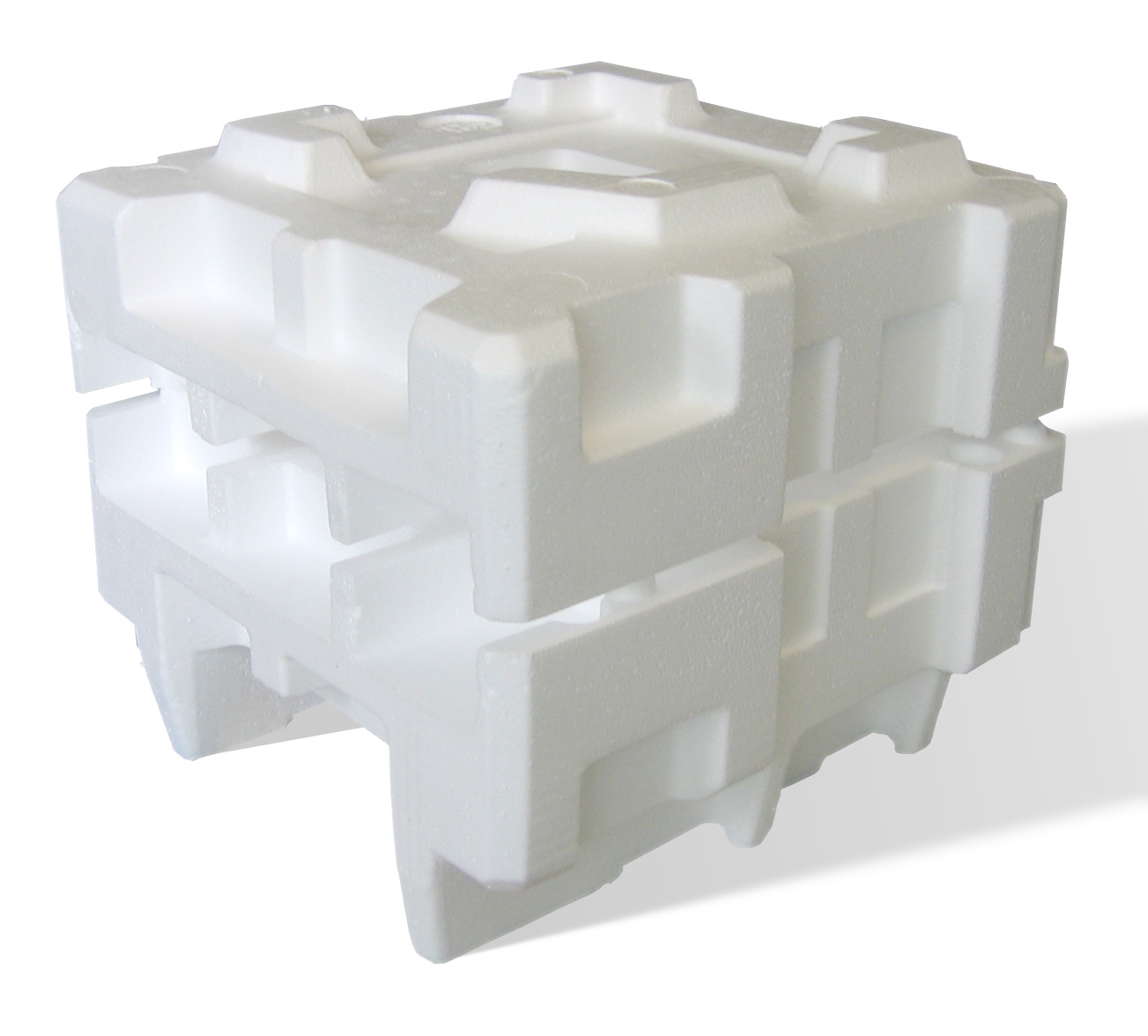
image credit : vertapak
Pros of  Polystyrene Insulation Products

#1. Easy to install 
 
A key advantage of polystyrene insulation is that it’s very easy to cut and install. This makes it perfect for use in buildings that might have an irregular shape. Fitting polystyrene insulation into ceilings and walls is usually not an issue and easy to accomplish.
 
#2. Inexpensive
 
Another advantage of using polystyrene insulation is that it’s relatively inexpensive. This means that it’s a very practical type of insulation to use in larger properties.

#3. Sturdy  
 
Polystyrene is also very sturdy and because of this it doesn’t sag or fall over time. Therefore there are no hot or cold spots that develop on the exterior walls.  This is very important when insulating a property and you want a reliable temperature inside the building.

Cons of Polystyrene Insulation Products

#1. Water resistant  
 
Being water resistant may sound like an advantage of polystyrene insulation but in fact it’s a negative. Because the smooth finish of the insulation boards is resistant to water, this means that moisture can build up within the wall without any way for it to be wicked off. 
 
#2. Not as insulating as fibreglass 
 
Perhaps the biggest disadvantage of using polystyrene for insulation is that it doesn’t provide the same level of insulation as fibreglass. In fact, several layers of polystyrene must be used in order to achieve the same insulation as just one bat of fibreglass mat. That being said, polystyrene is still effective for use in many properties and does a good job of insulating and saving energy.
 
#3. Incompatible with electric wiring 
 
Another disadvantage of polystyrene insulation is that it’s incompatible with most forms of electrical wiring. The covering that’s used on electrical wiring will erode when it comes into contact with foam insulation. Not only is this problematic but also dangerous and can easily lead to a fire breaking out. There are companies that offer a special type of wire coating that will protect wires from the insulation but this extra expense can negate the benefits of getting polystyrene insulation in the first place.

The truth is that polystyrene insulation is not always the best option but when electrical wiring isn’t an issue and you have a property that you want to insulate at low cost then using polystyrene can often provide a good level of insulation that’s reliable and sturdy.

Wednesday, 12 August 2015

What is Polystyrene Insulation and What are its Advantages?


Heating bills are certainly not getting any cheaper and with so many people feeling the pinch in different areas of their lives, it’s no surprise that home insulation has become a very popular way to cut down on heating bills. 

Insulating your home can help you save a good deal of money on heating bills since it essentially prevents heat from escaping through the walls during the winter and therefore reduces your need to heat your home. It also helps to keep your home cool in the winter since it blocks any heat from entering. 

polystyrene-insulationThere are many different types of insulation available, including fiberglass, expanding foam and polystyrene. Polystyrene insulation has become increasingly popular thanks to its relatively easy installation and reliable performance.

Below is a guide to polystyrene insulation, including the different types that are available as well as its advantages and downsides. 

About Polystyrene Insulation 

Polystyrene insulation can be used in both commercial and domestic properties and has some unique benefits that make it such a popular choice. Not only is it effective at keeping a property well insulated but it also helps to reduce noise. Also the fact that it’s waterproof means it lasts a long time – making it an excellent choice for almost any type of property. 

Types

Below are the two main types of polystyrene insulation – 

  • Expanded polystyrene insulation – Expanded polystyrene is the cheapest option but also the least desirable in most cases. The reason for this is because it’s formed by pockets that are filled with air, it’s not a particularly effective insulator. 
  • Extruded polystyrene insulation – Extruded polystyrene insulator costs more but is also a much better insulator. It is formed by combining solid polystyrene crystals with additives, both of which are then melted. The resulting liquid material can then be moulded and once it’s cooled, can be shaped and cut as required. The insulation you get from using extruded polystyrene is very smooth and reliable – making it preferable to many other types of insulation. It can also be shaped in many different ways, including foam sheets, blocks and concrete mould. 

Downsides

Using polystyrene insulation does come with some downsides. Because it is flammable, it has to be chemically treated before it can be used as insulation. This adds to the overall cost. Also the fact that it is water resistant means that moisture can accumulate in the walls where it’s used. 

The cost can be seen as the biggest downside of using polystyrene insulation. The materials used to produce it are not cheap by any means and the process used to manufacture and treat polystyrene insulation means that it can end up costing significantly more to use in comparison to alternative insulation materials. 

That being said, polystyrene insulation should be viewed as an investment rather than an expense. Whilst it may cost more to install initially, the benefits that you get from it – whether it’s for a commercial or domestic property – far outweigh the expense and will provide excellent cooling and heating properties for years to come. 

Tuesday, 21 July 2015

The Power of Beads

EPS beads offer a number of benefits. They are durable, strong, and form a protective layer meaning anything packaged with EPS beads is likely to receive the best possible protection.

There are many options when it comes to EPS bead suppliers, but who actually uses these wondrous beads on a regular basis?

#1. Business owners

Whether they use the post or courier services on a daily basis or have less frequent use, there are few businesses who can survive without the need for parcel sending. Large companies such as Amazon have been known to sell over 300 items per second in particularly busy periods such as holidays and the run up to Christmas and average millions of sales every day.

It’s hard to consider the amount of packaging they must need, just to keep those items shipped safely. Of course, not every business is operating with sales figures of that size but even so, the need for safe and secure shipping with reliable and durable packaging products is a necessity for every business whatever their size or scope.

#2. Private sellers

In addition to Amazon, another online firm dominating headlines with their sales statistics is eBay. Although the site itself doesn’t actually need any packaging, those lucky enough to find homes for their unwanted items will need these in ready supply.  Especially given that their customers can give them additional ratings for packaging costs and quality, and many are marked down if items become damaged in transit as the result of poor quality packaging.

#3. Crafters

In recent times, people who enjoy crafting have taken over the small business world. Thanks to the ease with which one can set up an online shop, either on a dedicated site such as Etsy or a business page on a social media site like Facebook, it’s easy for crafting enthusiasts with a talent and a potential customer base to make and sell wares for the general public.

Obviously most of these have been painstakingly prepared and made, and as such they may be delicate so it’s imperative that they’re appropriately packaged and that they reach their customers in the peak of physical condition.

#4. Distribution Centres

Many large businesses, supermarkets and catalogue stores make use of distribution centres rather than building extensive warehouses at each of their locations. From these centres they can send and receive goods, using either their own transportation or that from a third party. In either event, their reputation and their bottom line depends upon each item being safely and securely packaged so that it reaches its destination or lies in storage at the centre undisturbed and untarnished.

#5. Haulage firms

In addition to transporting goods for businesses, many haulage firms specialise in relocation of items for homeowners who may be moving or have more than one base. In either event, road travel can be perilous and lengthy. The owner of the package will want to know that their item is being well cared for and that they can rely on the firm in question to ensure its’ safety.

Wednesday, 15 July 2015

The Benefits of Polystyrene

When it comes to insulation for their homes or commercial buildings, there are many people, both professionals and homeowners, who now opt for polystyrene insulation over any other material.

Polystyrene is durable, can be made or fashioned into a variety of shapes and sizes and offers high quality insulation whatever the setting. If you’re considering insulation, polystyrene is fast becoming a favoured option.
 
Although many people are aware that they need insulation, they aren’t always aware of the many benefits that adding it will bring to them.

#1. Comfort

There’s nothing worse than drafts in the winter, or stifling heat in the summer to take the comfort out of your home. What most homeowners want is to be able to control their temperature and not have to worry about drafts coming through the home, taking the heat and making them cold. Having a layer of insulation makes it much easier to regulate the internal temperature and know that once you’ve set a temperature on a thermostat, that’s the way it will stay.

#2. Volume Control

Wherever you live, whether rural or urban in location, it can be extremely annoying and frustrating to have external noise disturb you. Whether you’re trying to eat, work, relax or sleep, there are few things worse than noise from the outside world encroaching on your home or business. A layer of insulation however can act as a highly effective sound barrier.

#3. Moisture Control

Houses with thin walls often suffer with damp and unwanted moisture. Although it might not cause a distressing problem to start with, over time damp and excessive moisture can not only make your living environment quite uncomfortable but in addition, can begin to cause damage to your property and possessions.

The additional layer of insulation can prevent the damage this can cause because that moisture is unable to penetrate. In addition to keeping harmful moisture away from your home, you have the added bonus of keeping allergens and pollutants away from yourself and your family.

#4. Energy Saving

The vast majority of people install insulation as a way of saving energy. The drafts mentioned earlier can leave a home vulnerable to escaping heat. This escaped heat is then replaced by cold air and the homeowner must then pay the cost of reheating the entire area. Insulation means that the hot air finds it far more difficult to escape through the walls of the home, meaning that in time it cannot be replaced by cold. In turn, the homeowner is likely to find that their energy bills are lowered as they don’t need to spend as much money on replacement heat.

Not only is this better for them from a cost perspective but, of course, energy saving measures have the additional bonus of being better for the environment. The homeowner is burning less fuel in order to heat their home and as a result fewer gases are sent into the atmosphere. For this reason, insulation is often seen as one of the most environmentally conscious measures a homeowner can take.